
Where AI actually fits in interior designAI 在室内设计里到底用在哪一环
Most demos show AI inventing a room out of nothing. That is the part of the job interior designers least need help with. The hard parts are downstream: proving a material choice reads the way you think it does, showing a client what dusk light does to a north-facing room, producing eight consistent images the night before a presentation.大多数演示都在展示 AI 凭空造一个房间。而那恰恰是室内设计师最不缺帮手的环节。难的部分在后面:证明某个材质选择确实是你想的那个效果、让客户看清黄昏光线打在北向房间里是什么样、在提案前一晚做出八张调子一致的图。
So the useful question is not "can AI design a room". It is: at which step in an existing workflow does AI remove a wait, and what does it cost in control? Answer that step by step and the tool stops being a novelty.所以有用的问题不是"AI 能不能设计一个房间", 而是:在现有流程的哪一步, AI 拿掉了一段等待, 又付出了多少控制权的代价?一步一步回答清楚, 它才不只是个新鲜玩意。
Start from what you already have从你手上已有的东西开始
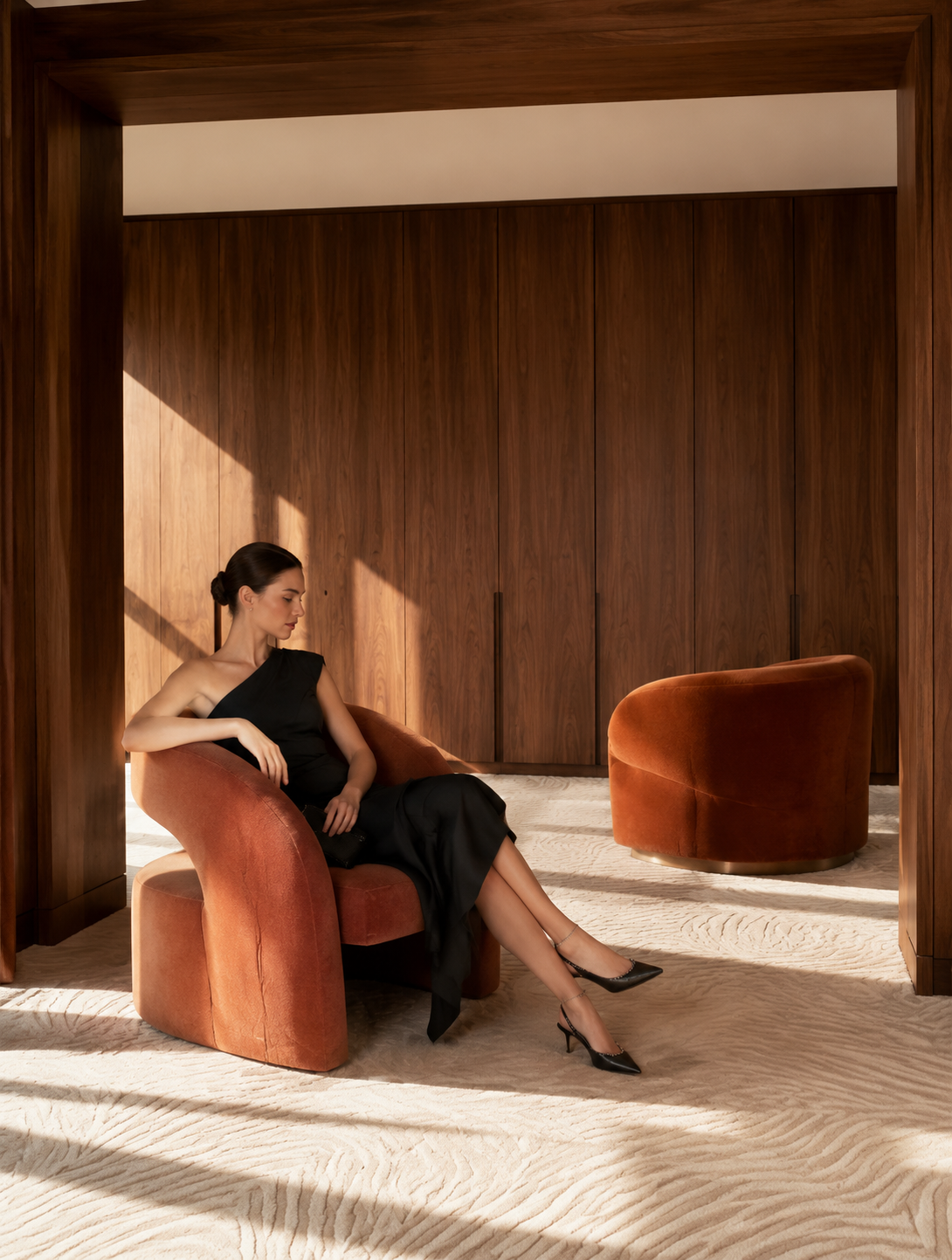
A blank prompt box asks you to describe a room in words. But you rarely start from nothing — you have a plan, a white model, a site photo, a supplier tearsheet. Feeding one of those in as a base image is a different act from describing it: the geometry, the window positions and the ceiling height come along for free.空的提示词框要求你用文字描述一个房间。但你很少是从零开始的 —— 你手上有平面图、有白模、有现场照、有供应商的材料页。把其中一样作为底图喂进去, 和用文字描述它是两回事:几何关系、窗洞位置、层高会一起被带进来, 不用你再说一遍。
This is also the honest constraint. Working from a real base means the result stays tied to the space you were actually given, including its awkward column and its one bad window. That is usually what a client is paying you to solve.这也是一条诚实的约束。基于真实底图工作, 意味着结果始终绑在你实际拿到的那个空间上 —— 包括那根难处理的柱子和那扇位置不好的窗。而这通常正是客户付钱让你解决的东西。
Materials and light are where the iterations actually go真正要反复试的是材质与光线
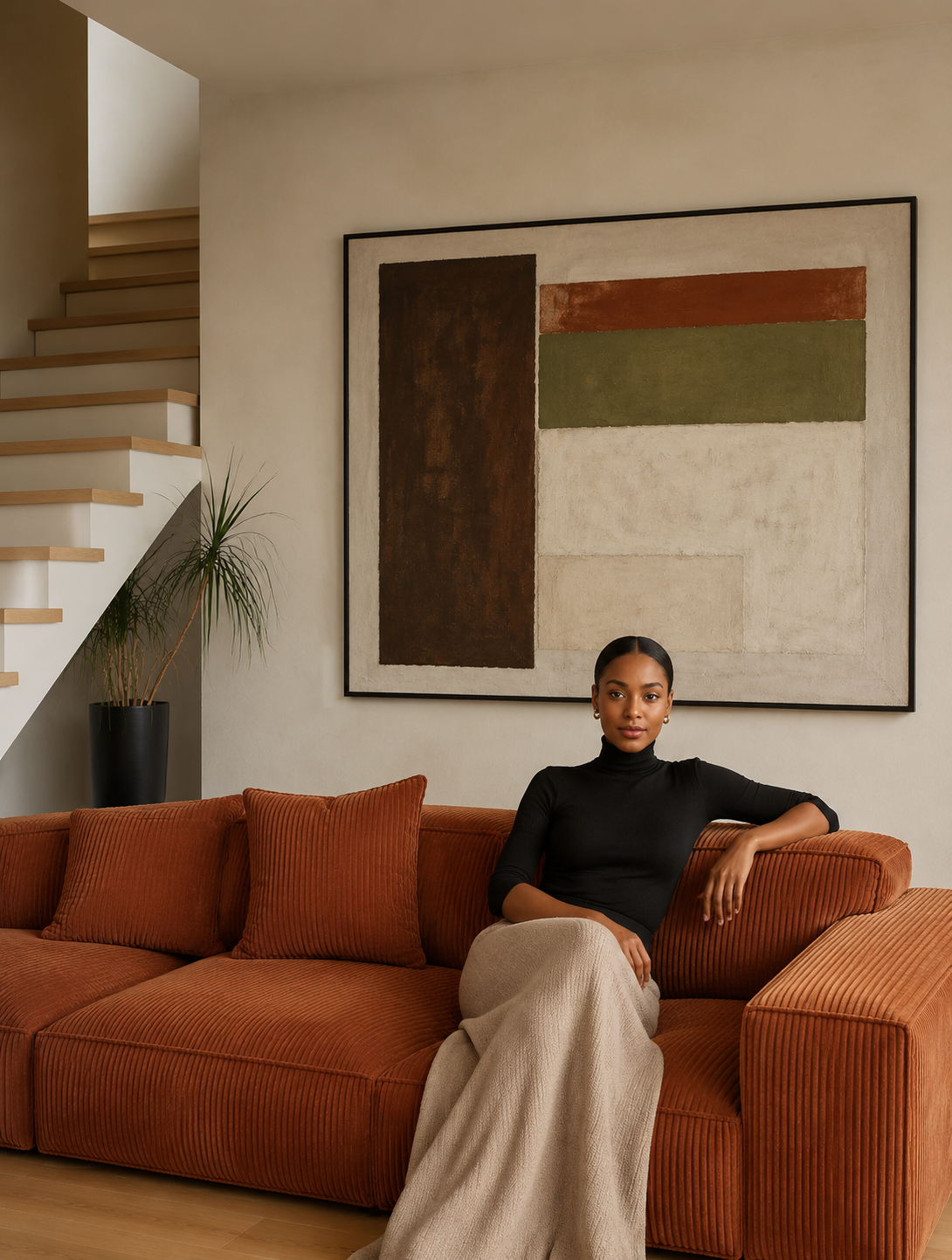
Ask any designer where the revisions pile up and it is not the layout — it is the palette. Oak or walnut, matte or honed, warm 2700K or neutral 3500K, morning or dusk. These are cheap to say and expensive to render, which is why they usually get decided from a small sample and a lot of experience.问任何一位设计师改动都堆在哪里, 答案不是布局, 而是配色与材质。橡木还是胡桃、哑光还是亚光、2700K 暖光还是 3500K 中性光、早晨还是黄昏。这些话说起来便宜、渲染起来昂贵, 所以通常只能靠一小块样板加大量经验来定。
Generating the same room across four palettes takes minutes, and seeing them side by side settles arguments that a material board cannot. The targeted material swap approach matters here: you want one surface to change and everything else to stay put, otherwise you are comparing two different rooms.把同一个房间跑出四套配色只要几分钟, 而把它们并排放在一起, 能解决材料板解决不了的争论。这里的关键是指定材质替换:你要的是只换一个面, 其余原地不动 —— 否则你比较的是两个不同的房间。
An empty room is not a finished argument空房间不足以说服人
Clients are famously bad at reading empty space, and it is not their fault — an unfurnished room gives almost no cues about scale. A sofa, a rug and a floor lamp are not decoration in this context; they are the measuring sticks that make the proportions legible.客户看不懂空房间, 这是出了名的, 也不能怪他们 —— 没有家具的房间几乎不提供任何尺度线索。在这个语境下, 一张沙发、一块地毯、一盏落地灯不是装饰, 而是让比例变得可读的量尺。
Furnishing a bare shell is the single most common reason interior teams reach for generative tools at all: the space exists, the layout is decided, and what is missing is the version a non-designer can see themselves living in.给毛坯空间配上陈设, 是室内团队真正会去用生成式工具的最常见理由:空间已经在那、布局也定了, 缺的只是一个"非设计师也能想象自己住进去"的版本。
Schemes are for comparing, not for admiring方案是拿来比的, 不是拿来欣赏的
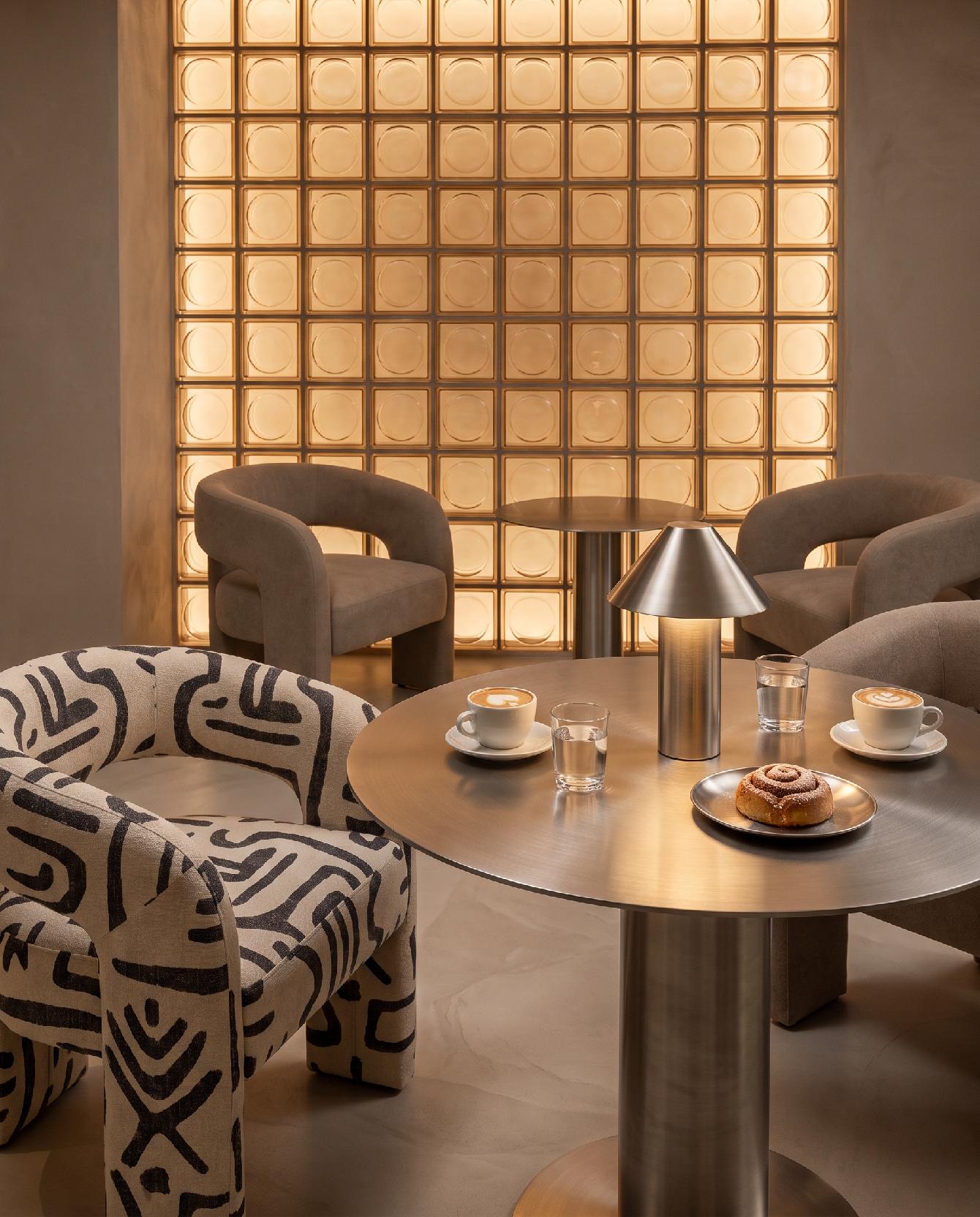
A single beautiful render is the least useful output. It invites a yes-or-no verdict, and a client who says no has told you nothing about what to do next. Three variants that differ along one axis — light, palette, or furniture density — turn the conversation into a choice with a reason attached.一张漂亮的单图是最没用的产出。它只邀请客户回答是或否, 而说"不"的客户没有告诉你下一步该往哪走。三个只在一个维度上有差别的变体 —— 光线、配色, 或家具密度 —— 才能把对话变成一次带理由的选择。
Keep the axis honest, though. If two options differ in furniture, palette and camera at once, whatever the client picks tells you almost nothing about which change did the work.但那个维度要保持干净。如果两个方案同时改了家具、配色和机位, 那么客户选了哪个, 几乎无法告诉你是哪一处改动起了作用。
Consistency is what makes a set look professional一套图专业不专业, 看的是一致性
One image can be lucky. A set of eight has to hold the same room, the same time of day and the same material language across every frame, or the deck reads as a mood board rather than a proposal. Consistency, not per-image quality, is what separates a usable set from a folder of nice pictures.一张图可以靠运气。但八张一组的图, 必须在每一帧里保持同一个房间、同一个时段、同一套材质语言 —— 否则整份提案读起来像情绪板, 而不是方案。区分"可用的一套图"和"一堆好看的图"的, 是一致性, 不是单张质量。
In practice this means fixing the things that must not drift — the base image, the palette reference, the time of day — and letting only the intended variable move. Changing only the light across a fixed scene is a good example of that discipline.落到操作上, 就是把不该漂移的东西固定住 —— 底图、配色参考、时段 —— 只让那个你想变的变量动。在固定场景里只改光线就是这种纪律的一个典型例子。
What stays a design decision哪些始终是设计判断
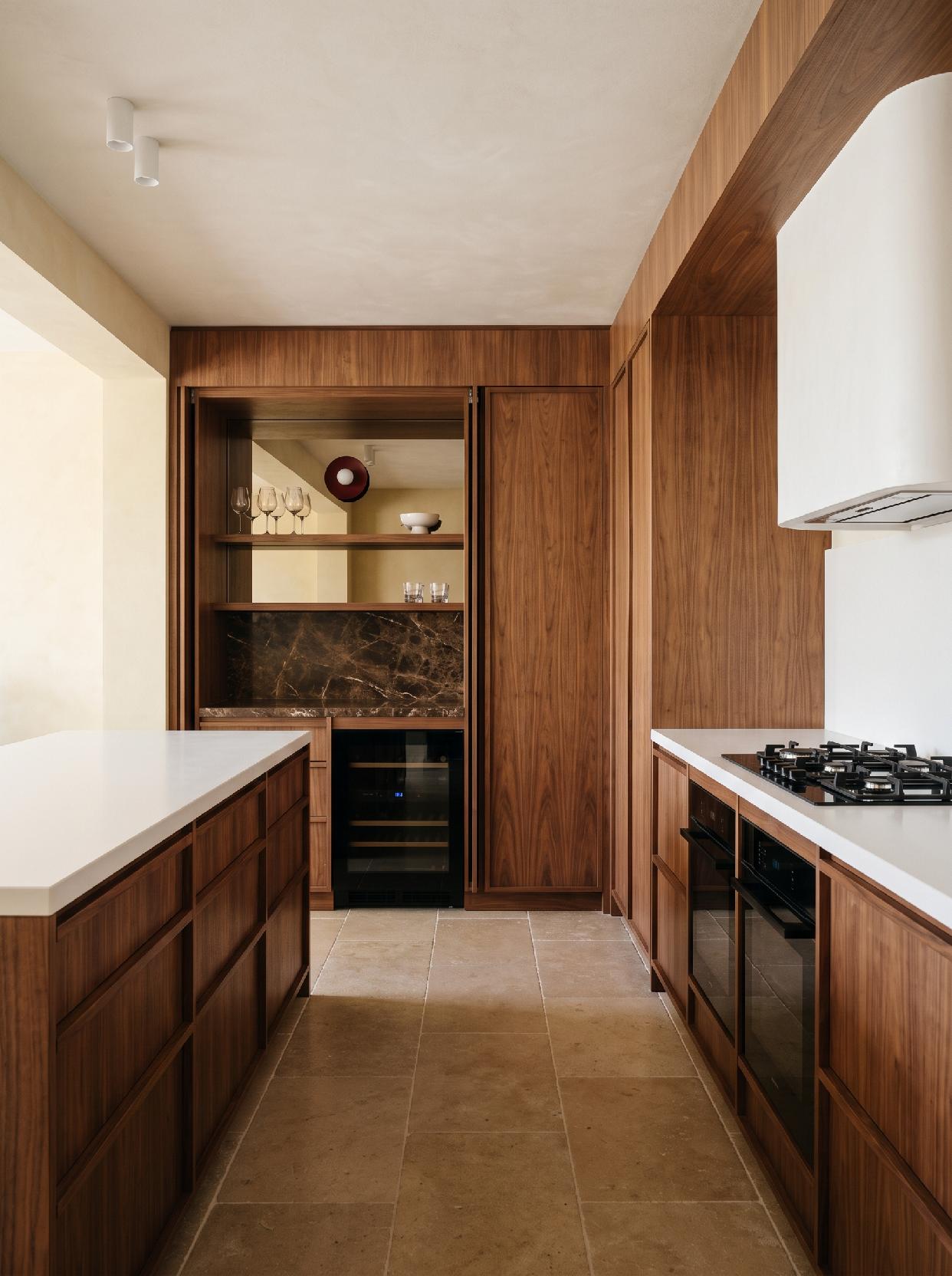
Everything above is about producing images faster. None of it decides whether the plan works, whether the budget survives the material list, or whether the client's actual complaint about the room has been answered. Those remain the job, and no amount of rendering speed touches them.上面讲的全都是"更快地出图"。它们都决定不了平面是否成立、材料表会不会撑爆预算, 也回答不了客户对这个空间真正的那句抱怨。这些始终是设计师的活, 出图速度再快也碰不到。
There is also a failure mode worth naming: a render that looks resolved before the design is. A convincing image can end a discussion that should have stayed open, so it is worth being explicit with clients about which images are studies and which are proposals.还有一种值得点名的失败方式:设计还没想清楚, 图先显得"完成"了。一张有说服力的图可能提前终结一场本该继续的讨论 —— 所以最好和客户说清楚, 哪些图是研究, 哪些图是方案。
Doing this in Lovspark在 Lovspark 里怎么做
Upload the plan, white model or site photo you already have into the image generator as a base, and add a second image as the palette or style reference. Keeping those two roles separate is what lets you change the look without changing the room.把你手上已有的平面图、白模或现场照作为底图传进图像生成器, 再加第二张图作为配色或风格参考。把这两个角色分开, 才能做到"换观感而不换房间"。
From there the skills map onto the steps above: Virtual Staging for furnishing a bare shell, Targeted Material Swap for changing one surface at a time, and Ambience Shift for moving the light without touching anything else. Every one of them is a short tutorial rather than a manual.接下来技能与上面的步骤一一对应:毛坯房设计负责给空壳配陈设;指定材质替换负责一次只改一个面;氛围切换负责只动光线、其余不碰。每一个都有一段几十秒的教程, 不是一本说明书。
Frequently asked questions常见问题
Does AI replace interior designers?AI 会取代室内设计师吗?
No. It shortens the production step — turning a decided layout into images people can react to. It does not decide whether the plan works, whether the budget survives the material list, or what the client actually needs from the space.不会。它压缩的是生产环节 —— 把已经定下来的布局变成别人能反应的图。它决定不了平面是否成立、材料表会不会撑爆预算, 也判断不出客户对这个空间真正的需求。
What do I need to start — a plan, a model, or a photo?起步需要什么:平面图、模型, 还是照片?
Any of the three works, and starting from one of them is better than starting from a text description. A base image carries the geometry, the window positions and the ceiling height for free, so the result stays tied to the space you were actually given.三者都行, 而且从其中任何一样起步都好过从文字描述起步。底图会免费带上几何关系、窗洞位置和层高, 结果因此始终绑在你实际拿到的那个空间上。
Can AI keep the room’s real geometry?AI 能保住房间原本的结构吗?
That depends on how you feed it. Using your photo or model as the base image — and putting the style or palette on a separate reference input — is what keeps walls, openings and proportions in place while the look changes.取决于你怎么喂给它。把你的照片或模型当作底图, 再把风格与配色放在另一个参考输入上 —— 这样墙体、洞口和比例会留在原处, 变的只是观感。
How do I keep a whole set of images consistent?怎么让一整套图保持一致?
Fix everything that must not drift — base image, palette reference, time of day — and let only the intended variable move. Consistency across a set, not the quality of any single frame, is what makes a deck read as a proposal rather than a mood board.把不该漂移的东西固定住 —— 底图、配色参考、时段 —— 只让你想变的那个变量动。让一份提案读起来像方案而不是情绪板的, 是整套图的一致性, 而不是单张的质量。